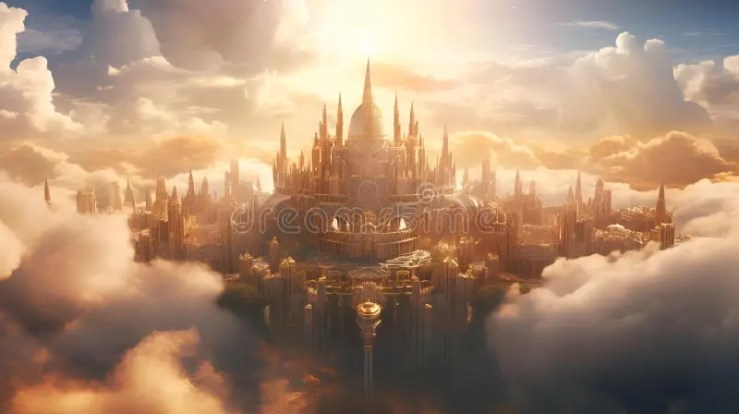
Choosing the right approach to pictures of heaven: a glimpse into the divine starts with clear context, practical filters, and realistic expectations.
Introduction to Heaven The concept of heaven has been a cornerstone of human spirituality for centuries, with various cultures and religions offering their own unique perspectives on what this divine realm might look like.
While the idea of heaven is often shrouded in mystery, actual pictures of heaven provide a fascinating glimpse into the human imagination and our collective longing for a higher power. From breathtaking landscapes to intricate artwork, these visuals not only reflect our deepest desires but also serve as a window into the human experience.
Historical Depictions of Heaven
Throughout history, artists have sought to capture the essence of heaven through their work, often drawing inspiration from religious texts and mythological accounts. In medieval Europe, for example, heavenly scenes were frequently depicted in illuminated manuscripts and stained glass windows, featuring angels, saints, and other celestial beings. The Renaissance period saw a resurgence in interest in classical mythology, with artists like Michelangelo and Raphael creating iconic works that continue to influence our understanding of heaven today.
The Role of Art in Shaping Our Perception of Heaven Art has played a significant role in shaping our perception of heaven, with various mediums and styles contributing to a rich and diverse visual landscape. From
the intricate mosaics of Byzantine churches to the majestic frescoes of the Sistine Chapel, these works of art have not only reflected the spiritual values of their time but also helped to shape our collective imagination. By examining these historical depictions of heaven, we can gain a deeper understanding of the cultural and theological contexts in which they were created.
Modern Interpretations of Heaven In recent years, the concept of heaven has continued to evolve, with

modern artists and visionaries offering fresh perspectives on this timeless theme. Contemporary art, film, and literature have all contributed to a new wave of heavenly imagery, often incorporating elements of science fiction, fantasy, and surrealism. These innovative works challenge our traditional notions of heaven, inviting us to reconsider the nature of the divine and our place within the universe.
The Psychology of Heaven But what drives our fascination with heaven, and how do these images impact our psychological and emotional well-being? Research has shown that contemplating heavenly scenes can have a profound effect on our mental health, reducing stress and anxiety while promoting feelings of hope and optimism.
The psychology of heaven is complex and multifaceted, reflecting our deepest desires for transcendence, connection, and meaning.
The Therapeutic Benefits of Heavenly Imagery
The therapeutic benefits of heavenly imagery are well-documented, with studies demonstrating the positive impact of these visuals on our emotional and cognitive states. By incorporating heavenly scenes into our daily lives, whether through art, meditation, or simply gazing at a beautiful sunset, we can cultivate a deeper sense of inner peace and contentment. As we navigate the challenges of modern life, the psychology of heaven offers a powerful reminder of the transformative power of the human imagination.
Exploring Different Cultural Perspectives on Heaven Heaven is not a universal concept, and different cultures have their own unique understanding of the afterlife. In many Eastern religions, for example, the concept of heaven is not a fixed location but rather a state of consciousness or a realm of existence. Similarly, indigenous cultures around the world have their own distinct perspectives on the afterlife, often emphasizing the interconnectedness of all living beings. By
exploring these diverse cultural perspectives, we can gain a richer appreciation for the complexity and diversity of human spirituality.
The Symbolism of Heavenly Imagery Heavenly imagery is often rich in symbolism, with various elements and motifs conveying deeper meanings and themes. Clouds, for example, are frequently used to represent
the divine, while angels and other celestial beings embody the virtues of compassion, wisdom, and courage. The symbolism of heavenly imagery is not static, however, and these visuals can be interpreted and reinterpreted in countless ways, reflecting our individual experiences and perspectives.
Decoding the Iconography of Heaven
Decoding the iconography of heaven requires a nuanced understanding of the cultural, historical, and theological contexts in which these images were created. By examining the symbolism and motifs present in heavenly imagery, we can uncover hidden meanings and themes that reveal the deeper aspirations and values of human civilization. Whether we approach these images as works of art, religious icons, or simply as reflections of our collective imagination, the iconography of heaven offers a profound window into the human experience.
The Digital Age and the Future of Heavenly Imagery
The digital age has revolutionized the way we experience and interact with heavenly imagery, offering new possibilities for artistic expression, spiritual exploration, and community building. With the rise of virtual reality, augmented reality, and social media, we are now able to engage with heavenly visuals in ways that were previously unimaginable. As technology continues to evolve, it will be fascinating to see how our understanding of heaven and the divine is shaped by these emerging platforms and tools.
Conclusion
Actual pictures of heaven offer a captivating glimpse into the human imagination, reflecting our deepest desires for transcendence, connection, and meaning.
Whether we approach these images as works of art, religious icons, or simply as reflections of our collective imagination, the concept of heaven continues to inspire and uplift us, inviting us to reconsider the nature of the divine and our place within the universe. As we continue to explore and create new heavenly imagery, we are reminded of the transformative power of the human imagination and the boundless potential of the human spirit.
- FAQs:
- What is the historical significance of heavenly imagery in art and literature?
- How do different cultures and religions understand the concept of heaven?
- What are the therapeutic benefits of contemplating heavenly scenes?
- How has the digital age impacted our experience and understanding of heavenly imagery?
- What role does symbolism play in heavenly imagery, and how can we interpret these visuals?
- Can heavenly imagery be used as a tool for personal growth and spiritual development?
- How can we create our own heavenly imagery, and what mediums are most effective for this purpose?


