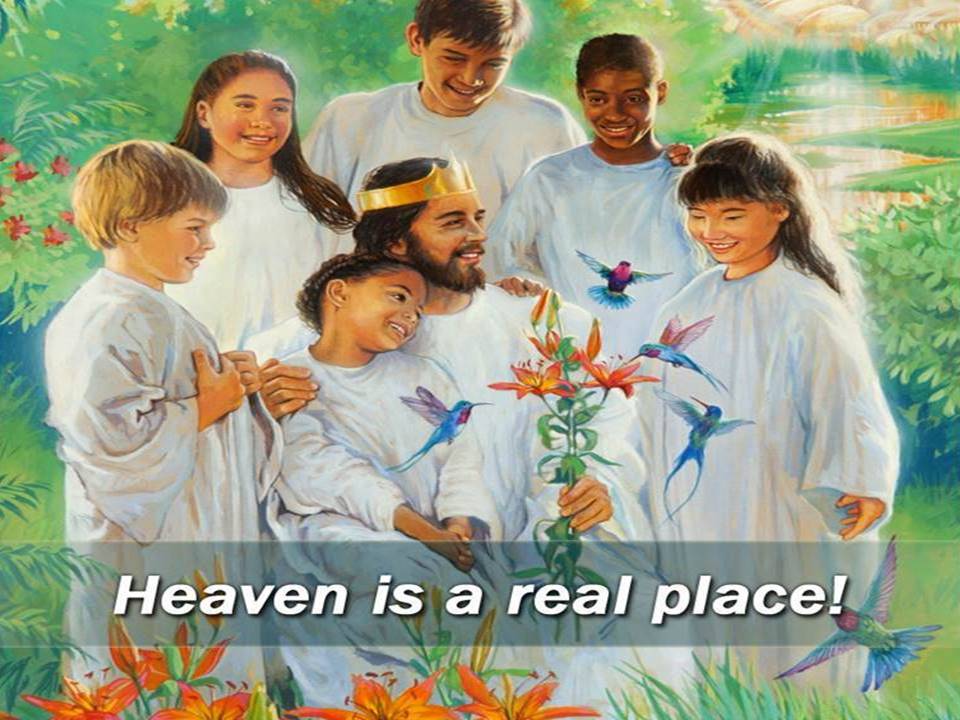
Choosing the right approach to real images of heaven: exploring the divine starts with clear context, practical filters, and realistic expectations.
Introduction to the Concept of Heaven
The idea of heaven has been a cornerstone of human imagination and spirituality for centuries, with various cultures and religions offering their own unique interpretations of the afterlife. From the lush gardens of Islamic paradise to the heavenly kingdoms of Christianity, the concept of heaven has evolved over time, reflecting the values, beliefs, and aspirations of different societies. At the heart of this concept lies the quest for a deeper understanding of the human experience, the nature of existence, and the possibility of an afterlife.
The Role of Art in Depicting Heaven Throughout history, art has played a significant role in representing
the concept of heaven, with numerous paintings, sculptures, and literary works attempting to capture the essence of the divine. From the majestic frescoes of Michelangelo in the Sistine Chapel to the poetic descriptions of paradise in Dante's Divine Comedy, art has provided a powerful medium for exploring and expressing the human experience of heaven. These works of art not only reflect the cultural and religious contexts in which they were created but also offer a glimpse into the collective human imagination, revealing the deepest longings and aspirations of the human soul.
The Influence of Religious Texts Religious texts, such as the Bible, the Quran, and the Torah, have had a profound impact on
the concept of heaven, shaping the way people perceive and understand the afterlife. These texts often describe heaven as a place of beauty, peace, and joy, where the righteous and the faithful are rewarded for their deeds on earth. The descriptions of heaven in these texts have inspired countless works of art, literature, and music, and continue to influence the way people think about the afterlife today.
Real Images of Heaven in Modern Times

In modern times, the concept of heaven has continued to evolve, reflecting the changing values and beliefs of society. With the advent of new technologies and artistic mediums, the representation of heaven has become more diverse and complex, incorporating a wide range of themes, styles, and perspectives. From the surreal landscapes of digital art to the thought-provoking installations of contemporary sculpture, the modern concept of heaven is a multifaceted and dynamic entity, reflecting the complexities and contradictions of human experience.
Exploring the Symbolism of Heaven The symbolism of heaven is a rich and complex phenomenon, reflecting the deepest aspirations and longings of the human soul. From the image of the ladder, which represents the journey of the soul towards the divine, to the symbol of the dove, which embodies the principles of peace and love, the symbolism of heaven offers a powerful language for expressing the human experience. By
exploring the symbolism of heaven, we can gain a deeper understanding of the human condition, and the ways in which our perceptions of the afterlife reflect our values, beliefs, and aspirations.
The Psychology of Heaven
The psychology of heaven is a fascinating topic, revealing the complex and often contradictory nature of human desire. On the one hand, the concept of heaven represents a deep-seated longing for transcendence and spiritual fulfillment, a desire to connect with something greater than ourselves. On the other hand, the idea of heaven can also be seen as a coping mechanism, a way of dealing with the anxieties and uncertainties of life on earth. By examining the psychology of heaven, we can gain a deeper understanding of the human psyche, and the ways in which our perceptions of the afterlife reflect our deepest fears and desires.
Practical Examples of Heaven in Everyday Life
The concept of heaven is not just a abstract idea, but a living, breathing reality that can be experienced in everyday life. From the beauty of nature, which reflects the majesty and wonder of the divine, to the kindness and compassion of human relationships, which embody the principles of love and forgiveness, the concept of heaven can be seen in many aspects of human experience. By recognizing and appreciating these moments of beauty and transcendence, we can cultivate a deeper sense of connection to the world around us, and to the divine.
Tools for Exploring the Concept of Heaven For those interested in exploring the concept of heaven further, there are many tools and resources available, including:
- Books: such as "The Divine Comedy" by Dante Alighieri, and "The Republic" by Plato
- Documentaries: such as "The Story of God" and "The History of Heaven"
- Art: such as the works of Michelangelo, and the sculptures of Auguste Rodin
- Music: such as the compositions of Johann Sebastian Bach, and the songs of Bob Dylan
- Online courses: such as "Theology and the Arts" and "The Psychology of Spirituality"
Common Misconceptions about Heaven
There are many common misconceptions about heaven, which can be misleading and confusing. For example, the idea that heaven is a physical place, or that it is only accessible to those who follow a particular religion or belief system. By examining these misconceptions, and exploring the complexities and nuances of the concept of heaven, we can gain a deeper understanding of the human experience, and the ways in which our perceptions of the afterlife reflect our values, beliefs, and aspirations.
Conclusion
The concept of heaven is a complex and multifaceted phenomenon, reflecting the deepest aspirations and longings of the human soul.
By exploring the real images of heaven, and examining the symbolism, psychology, and practical examples of the afterlife, we can gain a deeper understanding of the human experience, and the ways in which our perceptions of the divine reflect our values, beliefs, and desires. Whether seen as a place of beauty and peace, or a state of mind and spirit, the concept of heaven remains a powerful and enduring symbol of human hope and aspiration.


