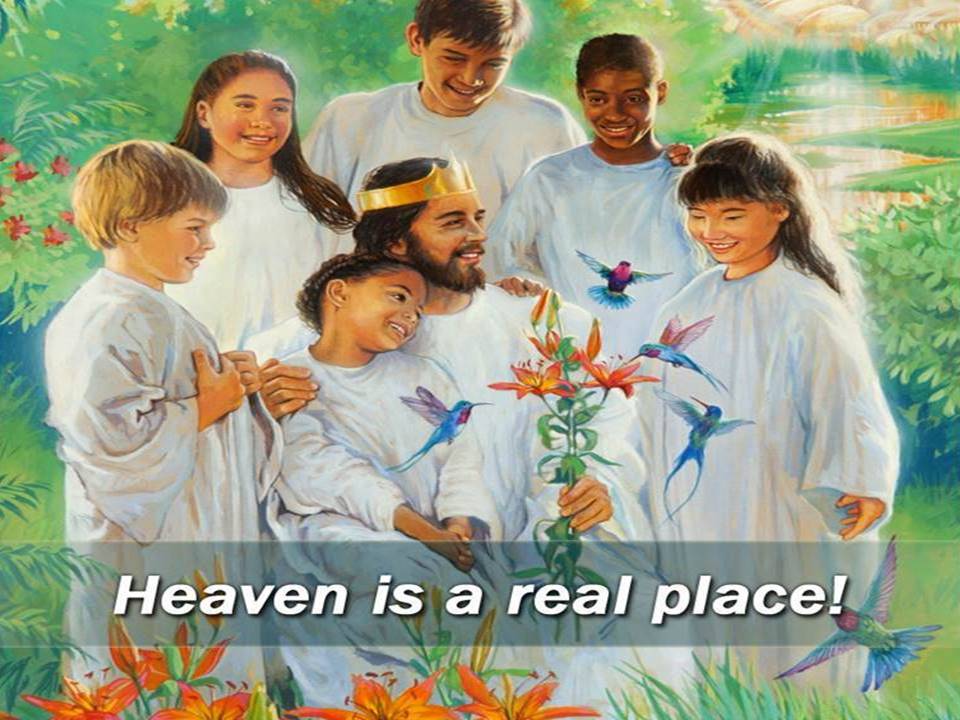
Choosing the right approach to heaven's true image starts with clear context, practical filters, and realistic expectations.
Introduction to the Concept of Heaven
The idea of heaven has been a subject of interest and curiosity for centuries, with various cultures and religions interpreting it in their unique ways. While some believe heaven to be a physical place, others consider it a state of mind or a spiritual realm. The concept of heaven is often associated with the afterlife, where the soul is believed to reside after death.
The Biblical Description of Heaven The Bible describes heaven as a beautiful and peaceful place, filled with joy, love, and happiness. According to
the biblical account, heaven is the dwelling place of God, where the righteous and faithful will live in eternity. The book of Revelation provides a vivid description of heaven, with its gates of pearl, streets of gold, and a river of life.
The Different Layers of Heaven In biblical terms, heaven is not just a single realm but consists of multiple layers or dimensions.
The first heaven refers to the atmosphere surrounding the earth, the second heaven is the realm of the stars and planets, and the third heaven is the dwelling place of God. This concept of multiple heavens is also found in other religious traditions, such as Islam and Hinduism.

The Islamic Perspective on Heaven In Islam, heaven is known as Jannah, a place of eternal bliss and happiness. According to the Quran, Jannah is a garden of paradise, filled with beautiful trees, rivers, and palaces. The Islamic concept of heaven is based on
the idea of reward and punishment, where the righteous and faithful will be rewarded with a place in Jannah, while the wicked and unbelievers will be punished in hell.
The Hindu Concept of Heaven In Hinduism, heaven is known as Svarga, a temporary realm where
the souls of the righteous and faithful reside. According to Hindu mythology, Svarga is a beautiful and peaceful place, filled with joy and happiness. However, it is not a permanent dwelling place, as the souls will eventually be reborn on earth. The Hindu concept of heaven is based on the idea of karma and reincarnation, where the soul's actions in this life determine its fate in the next.
Cultural Significance of Heaven The concept of heaven has significant
cultural and social implications, shaping the way people live their lives and perceive the afterlife. In many cultures, heaven is seen as a source of inspiration and motivation, encouraging individuals to lead virtuous and righteous lives. The idea of heaven also provides comfort and solace to those who have lost loved ones, offering a sense of hope and reunion in the afterlife.
The Role of Art and Literature in Depicting Heaven Throughout history, art and literature have played a significant role in depicting and interpreting

the concept of heaven. From the beautiful paintings of the Sistine Chapel to the poetic descriptions of paradise in literature, heaven has been a subject of creative expression and imagination. These depictions not only reflect the cultural and religious beliefs of the time but also provide a glimpse into the human psyche and its fascination with the afterlife.
Common Misconceptions About Heaven Despite the widespread interest in heaven,
there are many misconceptions and myths surrounding the concept. One
common misconception is that heaven is a place of boredom and inactivity, where the souls simply rest and do nothing. However, most religious traditions describe heaven as a place of joy, happiness, and activity, where the souls engage in various pursuits and activities.
The Search for a Real Picture of Heaven
The search for a real picture of heaven has been a lifelong quest for many individuals, with some claiming to have experienced visions or near-death experiences that provide a glimpse into the afterlife. While these claims are often subjective and difficult to verify, they reflect the human desire to understand and experience the reality of heaven.
Conclusion The concept of heaven is complex and multifaceted, with various cultural, religious, and philosophical interpretations.
While the idea of heaven provides comfort and solace to many, it also raises important questions about the nature of the afterlife and the human soul. As we continue to explore and understand the concept of heaven, we may uncover new insights and perspectives that deepen our appreciation for this fascinating and enigmatic topic.


